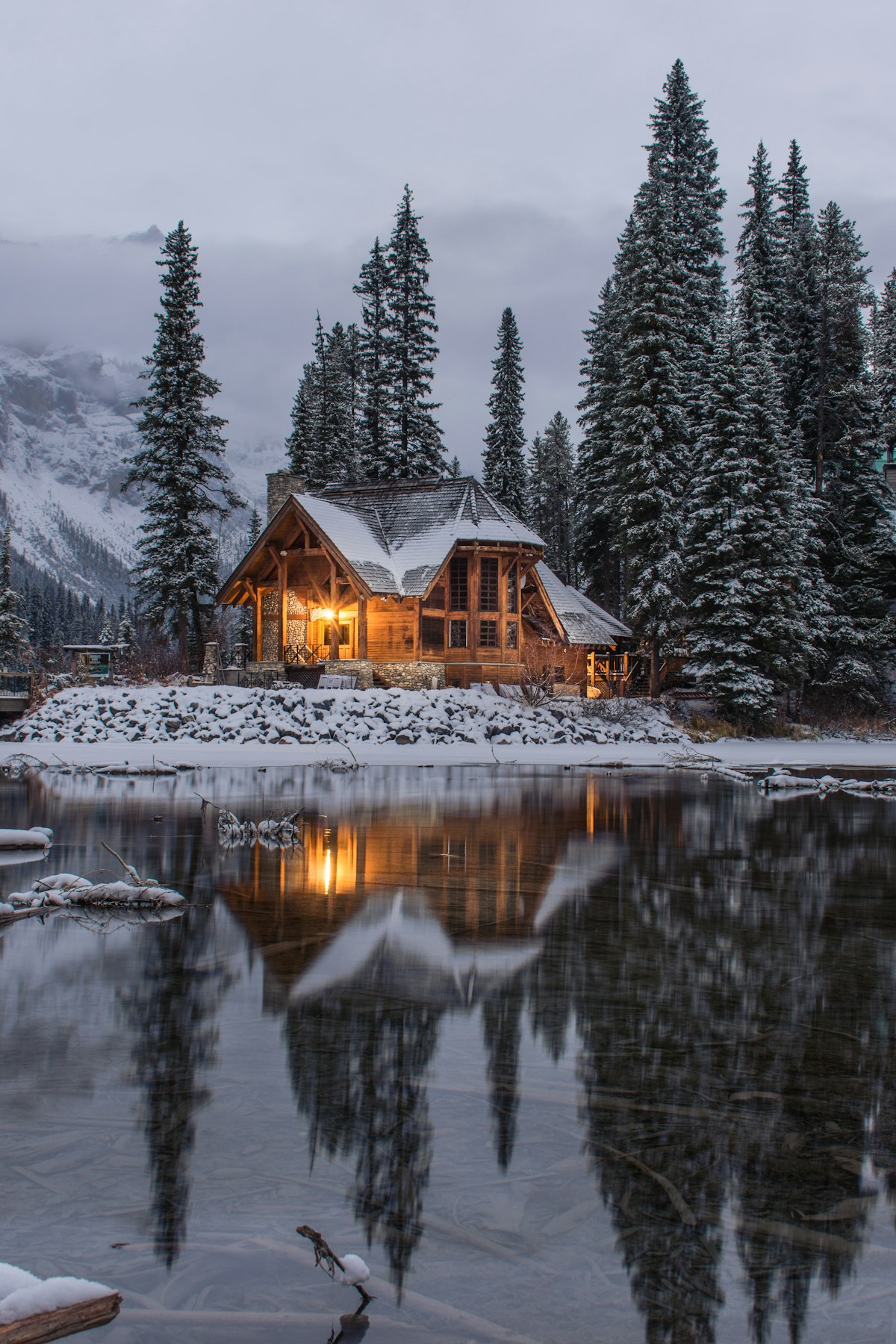
Off-grid cabin rentals offer something increasingly rare: genuine disconnection. No Wi-Fi, no cell signal, solar power, a hand-pumped well, and 40 acres of forest. For many guests, an off-grid cabin stay is the most restorative vacation they’ve ever taken. This guide explains what to expect, where to find the best options, and how to prepare for your first off-grid stay.
What Does “Off-Grid” Actually Mean for a Cabin Rental?
The term is used loosely in cabin listings. Here’s what each tier actually looks like:
| Type | Power | Water | Connectivity | What to Expect |
|---|---|---|---|---|
| Fully Off-Grid | Solar/generator only | Well or rain collection | None | Lantern lighting, no AC, wood heat |
| Partial Off-Grid | Solar with battery bank | Well + electric pump | Maybe satellite | Basic power for lights + fridge, limited devices |
| “Remote” Cabin | Full electric | Municipal or well | Spotty cell | Comfortable, just far from town |
Always ask the owner specifically: How is electricity generated? Is there running hot water? What’s the cell situation? This prevents mismatched expectations.
Best US Regions for Authentic Off-Grid Cabin Rentals
1. Minnesota Boundary Waters Area
The BWCA and surrounding wilderness has a long tradition of off-grid cabin culture. Resorts and private owners along the Gunflint Trail have operated solar and generator-powered cabins for decades. These are polished off-grid experiences — wood stove heat, propane cooking, hand-pumped water, total silence.
Why it works: Established infrastructure, experienced owners, genuine wilderness
Average rate: $100–$200/night
2. Rural Montana & Wyoming
The northern Rockies offer true off-grid isolation — cabins accessible only by 4WD road, surrounded by public land, with no neighbors for 10 miles. Guest ranch-style operations often include off-grid cabins as part of a larger property.
Why it works: Actual wilderness, wildlife (bison, elk, bears), stargazing without compare
Average rate: $120–$300/night
3. Appalachian Mountains (WV, VA, NC)
West Virginia’s highlands and the rural Blue Ridge offer surprisingly authentic off-grid rental options. Farmsteads with converted barns, ridge-top cabins on private timber land, and restored homesteads — all within 3–5 hours of major East Coast cities.
Why it works: Accessible from east coast cities, affordable, genuinely off-grid
Average rate: $80–$180/night
4. Pacific Northwest (Olympic Peninsula, Cascades)
Washington’s Olympic Peninsula and the Cascade Range backcountry host some of the most beautiful off-grid cabin options in the country. Old logging homesteads, wilderness retreat centers, and private forest parcels with single cabins.
Average rate: $130–$280/night
What to Pack for an Off-Grid Cabin Stay
Off-grid stays require more preparation than a standard vacation rental:
Essentials
- Paper books and card games (entertainment without power)
- Headlamp + extra batteries (often no overhead lighting)
- Portable water filter as backup
- Offline maps downloaded on your phone before you lose signal
- Cash (no card readers in remote areas)
- First aid kit (more comprehensive than usual)
- Extra food for one extra day (weather can delay departure)
For Cold-Weather Off-Grid Stays
- Sleeping bag rated to below expected temperature
- Dry fire starters (kindling may be wet)
- Wool or synthetic base layers (cotton kills in cold/wet)
- Hand warmers
Benefits of an Off-Grid Cabin Stay (Backed by Research)
The benefits of digital disconnection are well-documented:
- Reduced cortisol levels within 72 hours of nature immersion (Stanford, 2015)
- Improved sleep quality — natural light cycles reset circadian rhythm within 2 days
- Enhanced creativity — 4 days in nature increases creative problem-solving by 50% (Strayer et al.)
- Reduced anxiety — screen-free time correlates with measurable anxiety reduction
How to Find Legitimate Off-Grid Cabins
Most major OTAs bury off-grid options or mislabel “remote” cabins as off-grid. CabinGetaway’s cabin marketplace includes off-grid listings from verified owners — browse by category or contact owners directly to ask about power and water setup before booking.
Off-Grid Cabin Etiquette
- Pack out everything — no garbage service in remote areas
- Wood stove rules — never leave fires unattended, use only seasoned wood provided
- Generator hours — if a generator is available, observe quiet hours (usually 10pm–7am)
- Water conservation — well and cistern capacity is limited; shorter showers, no running water while brushing teeth
- Leave no trace — the next guests (and wildlife) depend on it
Frequently Asked Questions
Is it safe to stay in a fully off-grid cabin?
Yes, with preparation. The main risks are weather isolation and medical emergencies far from help. Mitigate with: satellite communicator (Garmin inReach, $15/month plan), thorough first aid kit, and sharing your GPS location with someone before you go.
Do off-grid cabins have running water?
Depends on the property. Many have gravity-fed or pump-fed well water — fully functional running water just not from a municipal system. Truly primitive cabins use hand pumps or stream water (filtered). Ask before booking.
Are off-grid cabins cheaper than regular cabins?
Sometimes. Remote location and limited amenities can lower rates. But well-appointed off-grid cabins (solar battery banks, composting toilets, quality wood stoves) often charge premium rates precisely for the curated experience.
Can I charge my phone at an off-grid cabin?
Solar-powered cabins usually have USB charging available. Bring a high-capacity power bank as backup. And consider — this might be the week you don’t need to.